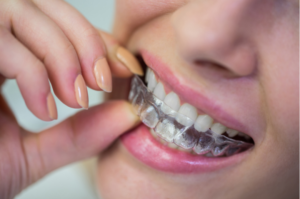


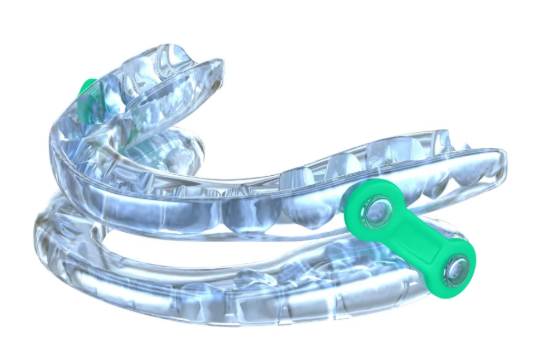
Most people think snoring is just noise. The reality is more concerning. Your airway collapses repeatedly whilst you sleep, reducing oxygen flow to your brain in small but frequent episodes. A mandibular splint for snoring works holding your lower jaw slightly forward. This simple repositioning stops the soft tissue at the back of your throat from blocking your airway. It’s effective because it works with your natural anatomy instead of fighting against it.
The Jaw Problem
Your jaw slides backwards when you fall asleep. Facial muscles relax completely during rest, and gravity does the rest. This backward movement squeezes the space behind your tongue. The airway narrows significantly in some people. A mandibular splint creates gentle forward pressure that counteracts this slide. You can still move your jaw normally. Yawning, swallowing, and talking remain possible. The device just prevents that problematic backward shift that triggers the snoring sound.
Sleep Cycles Explained
Everyone mentions better sleep without explaining what changes. Your brain moves through distinct stages throughout the night. Light sleep comes first, then deep sleep, followed REM sleep. This pattern repeats continuously. Snoring interrupts these stages, especially the deep sleep phase. That’s when your body repairs tissues and processes memories. A mandibular splint for snoring keeps your airway open, allowing your brain to complete each cycle properly. The interruptions stop. Your body finally gets the restoration it needs.
The Exhaustion Mystery
Snorers often feel drained despite spending plenty of time in bed. There’s a specific reason for this fatigue. Each airway collapse triggers a stress response in your body. Cortisol and adrenaline flood your system to wake you just enough to breathe properly. These episodes are so brief you won’t remember them. But the chemical surges happen repeatedly. Your body runs a continuous low-level stress response when it should be resting. Stopping these events allows genuine recovery to happen.
Partner Dynamics
Partners of snorers lose significant sleep every night. The constant noise disrupts their rest patterns too. But sleep loss isn’t the only issue here. Many partners feel frustrated or even angry when repeatedly woken. They know it’s not deliberate, which creates guilt about their resentment. This emotional conflict builds quietly over time. It affects daily interactions in subtle ways. When snoring stops, partners describe feeling closer again. The frustration dissolves. The relationship simply feels lighter.
Why Fitting Matters
Shop-bought devices rarely deliver results. Jaw shapes vary enormously between people. Your lower jaw might naturally sit forward or recessed. Teeth spacing differs. Bite patterns are unique to each person. A professionally fitted mandibular splint for snoring accounts for these individual differences. Dentists take impressions of your teeth and measure how your jaw moves. They position the device at the right advancement point. Too far forward causes jaw discomfort. Too minimal won’t open your airway enough. Precision matters.
Tongue Positioning
Where your tongue rests during sleep plays a major role in snoring. People with larger tongues face more obstruction risks. Those whose tongue naturally sits low in the mouth have similar problems. The tongue can fall backwards into the throat when you’re deeply asleep. The mandibular splint creates extra space in your mouth moving your jaw forward. This gives your tongue room to rest without blocking your airway. The device doesn’t touch your tongue directly, yet it solves the positioning problem.
Medical Assessment
Not everyone who snores should use a mandibular splint. Some jaw joint disorders make these devices unsuitable. People with certain dental conditions need different treatments. Severe sleep apnoea requires alternative approaches. A proper assessment checks for teeth grinding signs and evaluates jaw joint function. Sometimes a sleep study becomes necessary to understand if your snoring indicates deeper breathing issues. Skipping professional evaluation can waste time and leave health problems unaddressed.
Conclusion
A mandibular splint for snoring tackles the mechanical cause of airway collapse rather than covering up symptoms. The device repositions your jaw to maintain open breathing passages throughout sleep. Understanding how jaw position affects your airway, why interrupted sleep cycles drain your energy, and why professional fitting makes the difference helps explain its effectiveness. It’s not magic, but for suitable candidates, it provides genuine relief from a condition that quietly undermines both health and relationships.