


Creating an outdoor space that is both stylish and functional requires careful planning and smart design choices. One of the most effective ways to achieve this is through retaining walls construction. Retaining walls are not only practical for managing uneven terrain, but they also add aesthetic appeal to gardens, yards, and other outdoor areas. This article explains how retaining walls construction can transform your outdoor space into a beautiful and usable area.
Understanding Retaining Walls Construction
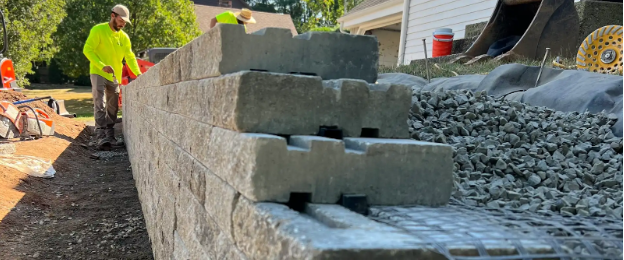
Retaining walls are structures built to hold back soil and prevent erosion in sloped areas. The construction of these walls involves using materials such as stone, brick, concrete, or timber to create a solid barrier that supports the soil behind it. Proper retaining walls construction ensures that the wall is strong enough to handle the pressure of the soil while also remaining visually appealing. When done correctly, these walls can significantly improve the safety and structure of your outdoor areas.
Enhancing Landscape Functionality
One of the key benefits of retaining walls construction is improved landscape functionality. In many properties, uneven terrain or steep slopes can make certain areas difficult to use. Retaining walls create level spaces that can be used for patios, seating areas, walkways, or even small gardens. By dividing your yard into different levels, you can maximize usable space and make your outdoor area more practical for everyday activities.
Adding Aesthetic Appeal
Beyond functionality, retaining walls also offer significant design benefits. The choice of materials, shapes, and finishes can complement the overall style of your property. For example, natural stone walls provide a rustic look, while sleek concrete walls create a modern feel. Landscaping elements such as plants, lighting, and decorative features can be incorporated into the walls to enhance the visual appeal. With thoughtful design, retaining walls construction can turn ordinary outdoor areas into striking and inviting spaces.
Preventing Soil Erosion
Another important aspect of retaining walls construction is soil protection. Sloped areas are prone to erosion, which can damage gardens, foundations, and outdoor structures. Retaining walls act as a barrier that keeps soil in place, preventing it from washing away during heavy rain or irrigation. This protection not only preserves the integrity of your landscape but also reduces maintenance needs over time, saving both effort and money.
Supporting Garden and Planting Designs
Retaining walls can also play a significant role in gardening and planting. Terraced walls allow you to create different levels for planting flowers, shrubs, or even vegetables. This approach not only improves drainage and soil quality but also adds depth and dimension to your garden design. Through retaining walls construction, you can organize your plants in a visually appealing way while making gardening easier and more enjoyable.
Increasing Property Value
Investing in professional retaining walls construction can increase the value of your property. Well-designed walls enhance both the functionality and appearance of your outdoor space, making it more attractive to potential buyers. Additionally, retaining walls that prevent erosion and structural damage contribute to long-term property maintenance, which is a key factor for homeowners looking to improve their investment.
Conclusion
In conclusion, retaining walls construction is a practical and stylish solution for transforming outdoor areas. By improving functionality, adding aesthetic appeal, preventing erosion, and supporting garden designs, retaining walls create spaces that are both beautiful and usable. Whether you have a sloped backyard, a small garden, or a large outdoor area, investing in professional retaining walls construction can enhance your property and provide long-lasting benefits. Properly planned and designed walls are more than just structures—they are an essential element in creating a functional and visually appealing outdoor environment.