
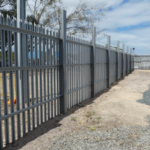
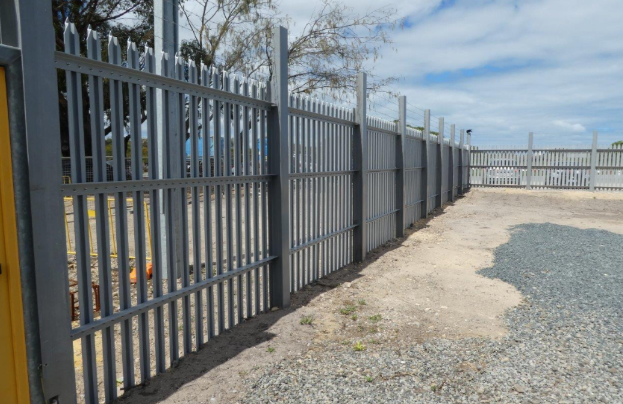
Picking the right fencing material is harder than it looks. Australia throws a lot at outdoor structures — salt-heavy coastal winds, relentless summer heat, waterlogged rural ground, and chemically active industrial environments. A material that performs well in one setting can fall apart completely in another. That’s the reality most property owners learn the hard way. GRP fencing has been changing that experience for a growing number of Australians who are simply done with the cycle of repairs, repainting, and early replacements.
What Is GRP?
GRP is short for Glass Reinforced Plastic. Glass fibres are embedded into a resin base, creating a composite that delivers real structural strength. What makes it different from timber or steel is that it’s engineered, not extracted. Every property of the material can be controlled during production. That kind of precision is something natural materials can never offer, and it shows in how the product performs once it’s in the ground.
Built to Last
Timber rots. It doesn’t matter how well it’s been treated or sealed — moisture finds a way through eventually. Steel corrodes, particularly in coastal or high-humidity settings where salt accelerates the process. GRP doesn’t follow either of those patterns. It sits outdoors through wet seasons and dry ones, through heat and frost, without degrading the way traditional fencing does. That kind of long-term consistency is something Australian property owners genuinely value.
Lightweight Yet Strong
Most people expect a strong fencing material to be heavy. GRP challenges that assumption. Full panels are light enough for small crews to carry and position without cranes or mechanical lifts. That changes how installation runs — less equipment on site, faster progress, fewer complications along the way. On large projects where labour time adds up quickly, that ease of handling has a real impact on how smoothly everything gets done.
Chemical Resistance
Working farms and industrial sites expose fencing to substances that most materials simply weren’t built to handle. Fertilisers break down timber. Fuels and acids corrode metal surfaces over time. GRP fencing takes that kind of chemical exposure without deteriorating. Water treatment plants, mining sites, chemical storage facilities, and agricultural operations across Australia have adopted it for this very reason. It holds up in environments that would compromise almost any conventional alternative.
Low Maintenance Demands
Managing a long fence line gets exhausting. Timber demands regular sealing, painting, and section replacements. Metal develops rust that spreads if it’s not caught and treated early. Both materials pull time and attention away from everything else a property needs. GRP fencing largely removes that burden. The occasional rinse keeps it looking clean. There’s no repainting cycle to schedule, no rot to cut out, no rust patches to grind back. For anyone responsible for large or busy properties, that’s a meaningful change.
Safe and Non-Conductive
Electrical safety doesn’t always come up early enough in fencing decisions. It should. Around substations, industrial machinery, and telecommunications infrastructure, the conductivity of fencing materials is a genuine concern. GRP carries no electrical current. That’s not a feature added through treatment — it’s built into the material itself. No modifications are needed to make it safe in electrically sensitive environments. It simply is, nature, non-conductive.
Eco-Conscious Choice
A fencing product that lasts for decades without needing replacement naturally uses fewer resources over time. That alone makes a reasonable case for GRP from a sustainability standpoint. Beyond longevity, it doesn’t release harmful substances into surrounding soil or near waterways. For properties close to farmland, wetlands, or protected natural areas, that matters. It’s not a material that markets itself loudly on environmental grounds — it just performs in ways that reduce long-term impact without making a fuss about it.
Conclusion
GRP fencing keeps performing in conditions that wear other materials down. Corrosion doesn’t take hold. Chemical exposure doesn’t cause breakdown. Maintenance stays genuinely low across the life of the fence. Electrical safety is built in without any extra steps. Installation moves faster than most people expect. For commercial, rural, and industrial properties across Australia, it’s a solution that earns its place through consistent, reliable performance. Fencing deserves serious consideration from anyone who wants fencing that truly goes the distance.