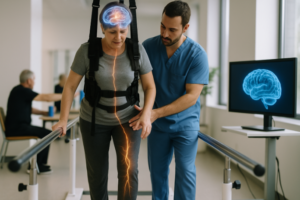



The link between physical activity and mental health has garnered significant attention in recent years, and for good reason. As society becomes more aware of the importance of mental well-being, understanding how physical exercise impacts mental health is crucial. Engaging in regular physical activity is not only beneficial for physical health but also plays a vital role in maintaining and improving mental health. This essay explores the multifaceted relationship between physical activity and mental well-being, highlighting the physiological, psychological, and social benefits of staying active.
Physiological Benefits
One of the primary ways physical activity influences mental health is through physiological changes in the body. Regular exercise induces the release of endorphins, often referred to as “feel-good” hormones. These neurotransmitters help alleviate pain and stress, leading to a natural boost in mood. This endorphin release is often associated with the so-called “runner’s high,” a euphoric feeling experienced after prolonged periods of exercise.
Furthermore, physical activity enhances the production of other important neurotransmitters such as serotonin and dopamine, which are critical for regulating mood, sleep, and appetite. Imbalances in these chemicals are often linked to depression and anxiety. By increasing their levels through exercise, individuals can experience significant improvements in their mental health.
Exercise also promotes better sleep, which is essential for mental health. Poor sleep is both a symptom and a contributor to various mental health disorders. Regular physical activity helps regulate sleep patterns and improves the quality of sleep, thereby reducing the risk of developing mental health issues and improving overall well-being.
Another crucial aspect is the reduction of inflammation. Chronic inflammation has been linked to numerous mental health conditions, including depression and anxiety. Exercise helps reduce inflammatory markers in the body, leading to improved mental health outcomes. Additionally, regular physical activity improves cardiovascular health, which is directly linked to brain health. Better blood flow ensures that the brain receives sufficient oxygen and nutrients, enhancing cognitive function and emotional stability.
Psychological and Social Benefits
Beyond the physiological effects, physical activity provides substantial psychological benefits. One of the most significant is the reduction of stress and anxiety. Engaging in physical activity allows individuals to divert their focus from daily stressors, providing a mental break and reducing overall stress levels. Activities such as yoga and tai chi are particularly effective in promoting relaxation and reducing anxiety due to their meditative nature.
Physical activity also contributes to improved self-esteem and body image. Regular exercise can lead to weight loss, increased muscle tone, and better physical appearance, which can enhance self-perception and confidence. This boost in self-esteem is particularly important for individuals struggling with body image issues or low self-worth, common components of various mental health disorders.
Moreover, physical activity provides a sense of accomplishment and purpose. Setting and achieving fitness goals, whether it’s running a certain distance, lifting a specific weight, or mastering a new skill, gives individuals a sense of achievement. This accomplishment can translate into other areas of life, fostering a positive outlook and a greater sense of control over one’s circumstances.
Social interaction is another critical factor in the relationship between physical activity and mental health. Many forms of physical activity, such as team sports, group fitness classes, or running clubs, provide opportunities for social engagement. These interactions can help combat feelings of loneliness and isolation, which are significant risk factors for mental health issues. Building relationships through physical activity fosters a sense of community and belonging, which is vital for emotional well-being.
Regular participation in physical activities can also serve as a coping mechanism for those dealing with trauma or significant life changes. Exercise provides a constructive outlet for processing emotions and can be a valuable part of a holistic approach to therapy. For example, programs that incorporate physical activity into treatment plans for PTSD have shown promising results, highlighting the therapeutic potential of exercise.
Lastly, physical activity encourages the development of healthy routines and habits. Establishing a consistent exercise routine can spill over into other areas of life, promoting overall discipline and structure. This routine can be particularly beneficial for individuals with mental health conditions that thrive on predictability and structure, such as those with obsessive-compulsive disorder or anxiety disorders.
Conclusion
In conclusion, the connection between physical activity and mental health is robust and multifaceted, encompassing physiological, psychological, and social dimensions. Regular physical activity promotes the release of mood-enhancing neurotransmitters, improves sleep quality, reduces inflammation, and enhances cardiovascular health, all of which contribute to better mental health. Psychologically, exercise reduces stress and anxiety, boosts self-esteem, and provides a sense of accomplishment.