


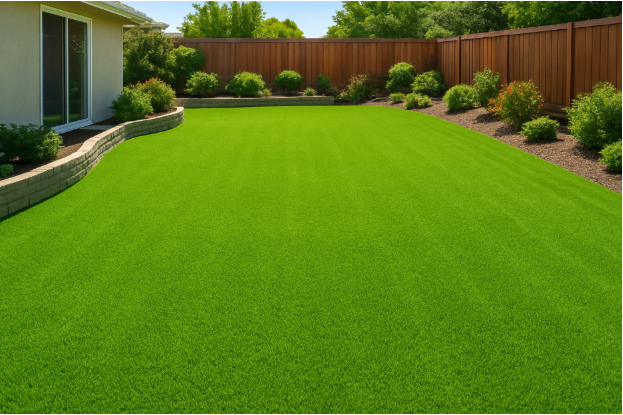
Boca Raton sits in a humidity band that most lawn care advice was simply never written for. The fungal pressure during wet season alone eliminates grass varieties that thrive perfectly well a few states north. What catches homeowners off guard is that heat is not really the enemy. It is the combination of heat, standing moisture, and compacted sandy soil that drains poorly across established residential blocks. Natural grass fights that combination constantly and quietly loses, patch by patch, until the yard resembles a project more than a lawn. That slow deterioration is genuinely what pushes most people toward artificial grass in Boca Raton — not marketing material, just accumulated exhaustion.
Irrigation Rules Keep Shifting
South Florida water management districts have been tightening irrigation restrictions steadily. Odd-even watering schedules, seasonal bans, and reclaimed water mandates catch residents off guard — particularly those who planted thirsty turf varieties expecting to water without restriction. Natural grass in this region does not stay green on rainfall alone through most of the year. It needs supplemental irrigation on a schedule, and that schedule keeps shifting based on regulatory updates most homeowners are not actively tracking. Synthetic turf removes that dependency entirely. Nothing to irrigate, nothing to schedule, no compliance risk sitting quietly in the background.
What Sandy Soil Actually Does
Most Boca Raton residential properties sit on sandy, low-nutrient soil that drains too quickly for shallow-rooted grasses to establish deep anchor systems. This is why even well-fertilised natural lawns here tend to look stressed — the root structure stays shallow, leaving grass vulnerable to foot traffic, drought stress, and disease in ways that wouldn’t affect the same variety planted in heavier soil elsewhere. Synthetic turf bypasses that problem entirely. Installation includes a proper base layer that performs independently of whatever native soil quality sits beneath it.
Pet Damage Builds Quietly
A single dog does not destroy a lawn immediately. The damage accumulates — a worn path near the fence line, a urine patch near the gate, a digging spot that keeps reopening. Natural grass in South Florida’s heat does not recover from repeated stress the way cooler-climate turf does. Recovery requires reseeding, consistent watering, and a genuine rest period that active pets will not allow. Artificial grass in Boca Raton households with pets holds up because the surface damage that stacks up on natural grass — compaction, chemical burn, physical digging — either does not affect synthetic fibres or clears up with basic rinsing and occasional brushing.
Rain Creates Its Own Problem
South Florida rain events are not gentle affairs. When a storm drops heavy rainfall quickly, natural grass on sandy soil either floods outright or saturates to the point where any foot traffic immediately churns the surface into mud. Families moving in and out of the house during and after rain events understand this intimately. Artificial grass with a proper drainage base handles heavy rainfall far better than most natural turf manages, returning to a clean and usable surface well before waterlogged natural lawns recover enough to walk on without damage.
Pollen Nobody Thinks About
Grass pollen is one of the more consistently overlooked residential allergy contributors. Homeowners manage indoor air quality carefully — purifiers running, filters replaced on schedule — and then spend regular time on a lawn actively producing pollen through most of the warm months. In Boca Raton’s extended growing season, that exposure window stretches considerably longer than it does in cooler climates. Removing natural grass eliminates that specific source. Some allergy-affected households notice the change more than they anticipated once the lawn is gone.
Appearance Under Social Pressure
Natural grass looks worst exactly when Boca Raton’s social calendar peaks. The warm months bring outdoor entertaining, and those same months bring the highest heat stress on turf. Synthetic surfaces hold consistent appearance regardless of season, rainfall pattern, or foot traffic volume. The gap between a well-maintained synthetic lawn and a heat-stressed natural one on the same street becomes particularly hard to ignore between late spring and early autumn.
Conclusion
Choosing artificial grass in Boca Raton makes sense when you understand what the local climate genuinely does to natural turf over time. Sandy soil, tightening irrigation rules, fungal pressure, and relentless seasonal heat create a compounding challenge that most homeowners underestimate until they are already inside it. Synthetic turf does not manage that challenge. It sidesteps it entirely, which turns out to be a more honest solution than fighting conditions that were never really in the lawn’s favour to begin with.